Attractions


87 Huron St, Sault Ste. Marie, ON P6A 5P9, Canada
Agawa Canyon Tour Train
Agawa Canyon Tour Train
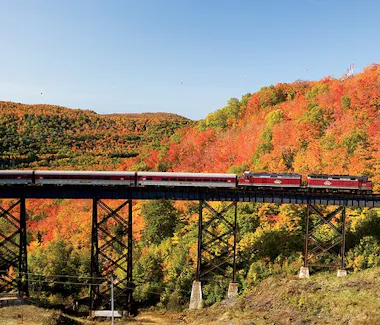
The Agawa Canyon Tour Train is a scenic railway excursion in Northern Ontario, Canada, that travels through the rugged wilderness north of Sault Ste. Marie into Agawa Canyon Park. It is one of Canada’s most popular fall foliage tours, showcasing the landscapes that inspired members of the Group of Seven.
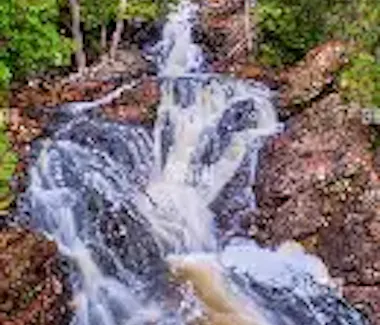
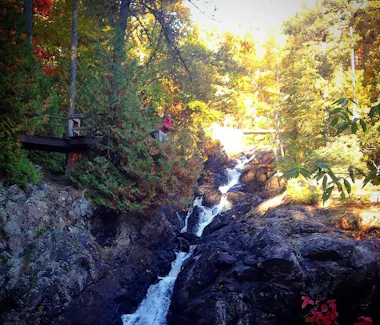
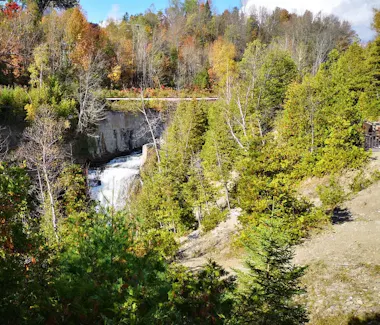
The journey runs through forests, lakes, and granite cliffs of the Canadian Shield, with large viewing windows and onboard GPS narration highlighting geological and historical points of interest. The train descends 500 feet into Agawa Canyon, where passengers disembark for 90 minutes to explore trails, lookouts, and waterfalls such as Bridal Veil Falls.
Historical background
The tour originated in the 1950s under the Algoma Central Railway to attract tourists to northern Ontario’s wilderness. The region’s scenery had earlier inspired famed landscape painters, including Lawren Harris and A.Y. Jackson of the Group of Seven, whose works helped popularize the area’s natural beauty.
Seasonal highlights
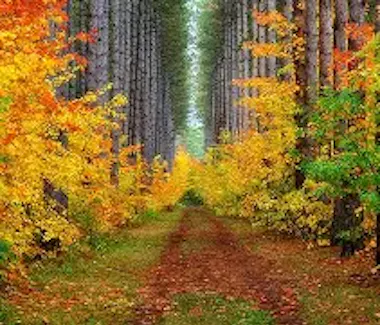
Autumn is the peak period, when maple, birch, and aspen forests display vivid reds and golds. The combination of rail heritage, photographic vistas, and accessible wilderness makes the Agawa Canyon Tour Train a signature Canadian rail experience for both domestic and international visitors.


12729 17N, Batchawana Bay ON P0S 1A0
Pancake Bay Provincial Park
Pancake Bay Provincial Park
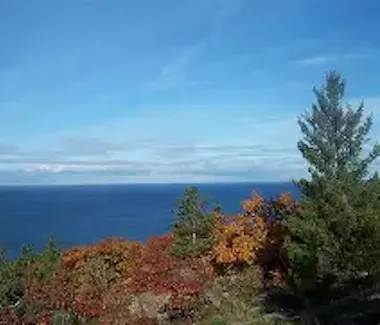
Pancake Bay Provincial Park is a protected natural area on the eastern shore of Lake Superior in northern Ontario, Canada. Known for its sweeping sandy beaches and clear blue waters, it offers a blend of recreation and conservation, attracting visitors for camping, swimming, hiking, and scenic views.
Key facts
Location: Near Batchawana Bay, Ontario, on Highway 17
Established: 1968
Area: About 17.1 square kilometers
Operator: Ontario Parks
Open season: Mid-May to mid-October (varies annually
Geography and environment
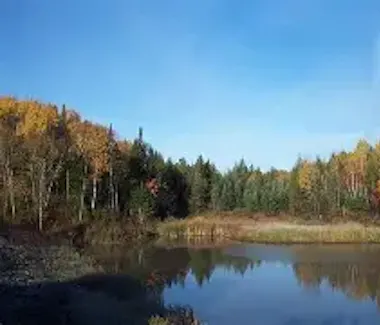
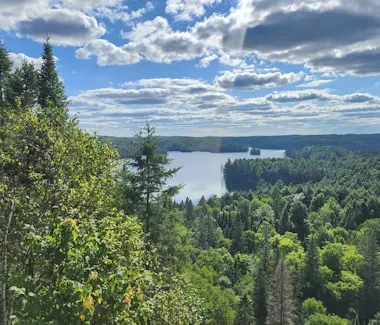
The park lies along a broad bay of Lake Superior, part of the Algoma District’s rugged coastal landscape. Its fine sand beach extends for over 3 kilometers, backed by boreal forest and dune ecosystems. The area features mixed hardwood and conifer stands that support moose, black bear, and a variety of bird species.
Recreation and trails
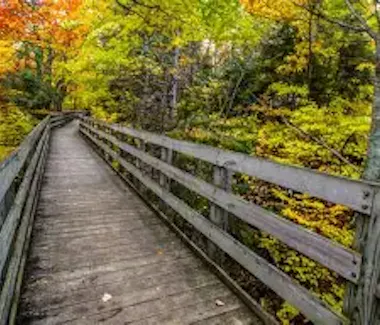
Visitors enjoy camping in more than 300 sites, including some with electricity and waterfront access. The park’s trail network includes the Edmund Fitzgerald Lookout Trail, offering panoramic views of Lake Superior and commemorating the nearby wreck site of the SS Edmund Fitzgerald. Other popular activities include canoeing, swimming, and winter snowshoeing.
Historical context
The name “Pancake Bay” is said to originate from voyageurs who camped here and used their last provisions—often flour for pancakes—before reaching Sault Ste. Marie. The area reflects the cultural and travel routes of early fur traders and later served as a rest stop along the Trans-Canada Highway.
Conservation and significance
As part of the Lake Superior Provincial Parks system, Pancake Bay helps preserve coastal dune and wetland ecosystems. Its clear waters and protected bay make it an important refuge for native species and a popular educational site on Great Lakes ecology.






780 Landslide Rd, Sault Ste. Marie, ON P6A 6J8, Canada
Hiawatha Highlands Ski, Bike, Snowshoe (Winter Operations)
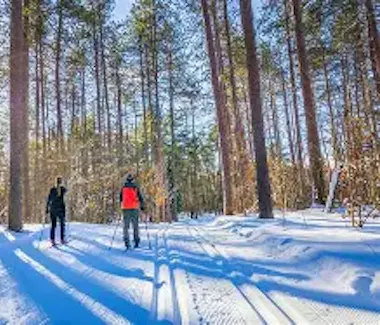
Hiawatha Highlands is a year-round outdoor recreation area and trail system located in Sault Ste. Marie. Known for its extensive network of cross-country skiing, snowshoeing, hiking, and biking trails, it serves as a regional hub for outdoor sports and eco-tourism in northern Ontario.
Key facts
Location: Sault Ste. Marie, Ontario, Canada
Area: Approximately 35 km² of forest and trails
Main activities: Cross-country skiing, snowshoeing, hiking, mountain biking
Operator: Soo Finnish Nordic Ski Club and City of Sault Ste. Marie
Trail length: Over 50 km groomed trails (winter)
Trail system and terrain
The Hiawatha Highlands network features rolling terrain through mixed hardwood and coniferous forests, offering trails suited for both novice and advanced users. In winter, groomed tracks and skating lanes accommodate both classic and skate-skiing styles, while summer months open the trails to hikers and cyclists. Key routes include the Pinder, Kinsmen, and Crystal Creek systems.
Facilities and amenities
The area includes the Kinsmen Centre, a seasonal lodge with washrooms, wax facilities, rentals, and event spaces. Wayfinding signage, warming huts, and parking areas support visitors year-round. The trail system connects to nearby conservation lands, including the Fort Creek Conservation Area, broadening outdoor access within city limits.
Events and community
Hiawatha Highlands hosts regional races, youth programs, and charity events, including the Bon Soo Nordic Ski Loppet. Managed in partnership between the Soo Finnish Nordic Ski Club and the City of Sault Ste. Marie, it promotes active living and environmental stewardship in the Algoma region.
Seasonal significance
During winter, the site is a key destination for cross-country skiing in northern Ontario, while summer transforms it into a popular hiking and biking venue. Its proximity to Sault Ste. Marie makes it both an accessible community asset and a tourism draw for outdoor enthusiasts.






Highway 17, Batchawana Bay, ON P0S 1A0, Canada
Batchawana Bay
Batchawana Bay
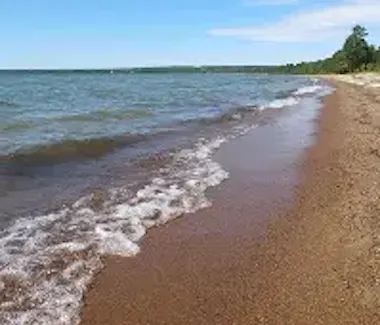
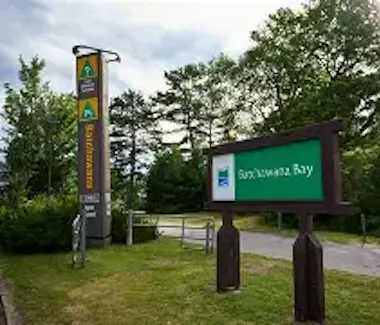
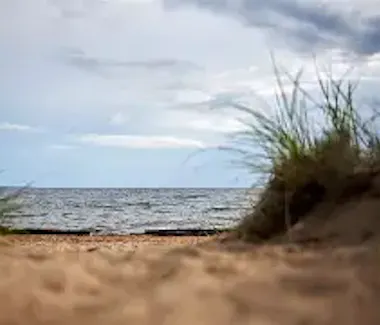
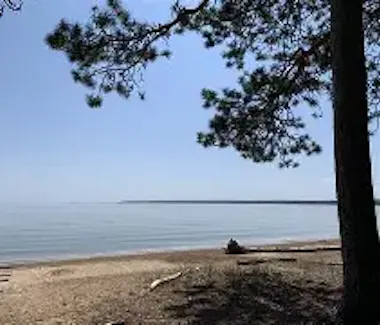
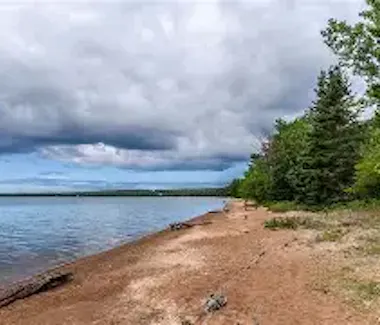
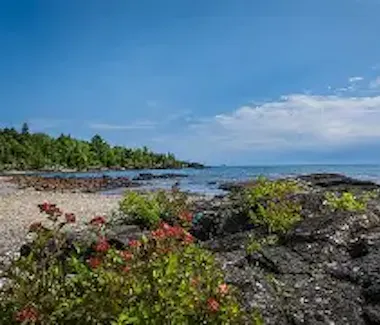
Batchawana Bay is a scenic Lake Superior beach and small community in northern Ontario, Canada. Located about 70 km northwest of Sault Ste. Marie along the Trans-Canada Highway 17, it is known for its long sandy shoreline, clear waters, and nearby provincial parks that attract campers and day-trippers through all seasons.CamperAid
Key facts
Location: Algoma District, northern Ontario, Canada
Nearest city: Sault Ste. Marie (≈ 70 km SE)
Water body: North shore of Lake Superior
Main park: Batchawana Bay Provincial Park
Highway access: Ontario Highway 17
Natural setting
The bay sits within the rugged Canadian Shield landscape where mixed forests meet freshwater beaches. Its shallow bay waters warm earlier than much of Lake Superior, making it one of the most swimmable spots on the lake. The area also includes the mouth of the Chippewa River, which flows into Lake Superior through quiet wetlands and pine ridges.Airbnb
Recreation and attractions
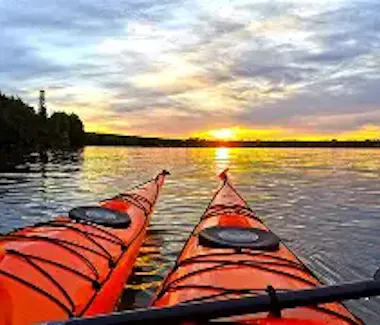
Visitors come for swimming, kayaking, and beach picnicking in Batchawana Bay Provincial Park, as well as hiking and camping in nearby Pancake Bay Provincial Park. In winter, the region offers snowshoeing and access to groomed snowmobile routes. Pet-friendly lodging and outdoor facilities, such as the Voyageurs’ Lodge and local cabins, accommodate travelers with dogs.BringFido+1
Community and access
Batchawana Bay functions largely as a seasonal destination with cottages, lodges, and small resorts spread along the shoreline. The community’s economy centers on tourism, outdoor recreation, and some mineral exploration activity in the surrounding Batchawana Greenstone Belt. Highway 17 links it north to Wawa and south to Sault Ste. Marie, with rest stops and scenic overlooks along the route.Investing News Network (INN)
Environment
Air quality in the area is typically moderate to good, and the bay’s ecosystem remains relatively undisturbed. Weather varies sharply by season—from warm, calm summers to heavy-snow winters—reflecting the strong influence of Lake Superior’s microclimate.









50 Pim St, Sault Ste. Marie ON P6A 3G4
Canadian Bushplane Heritage Centre Museum in Ontario, Canada
Canadian Bushplane Heritage Centre
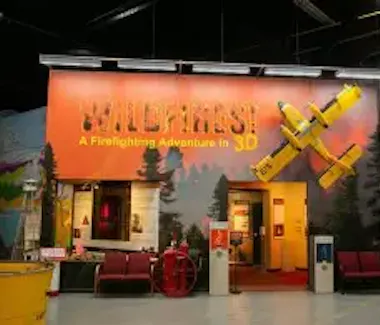
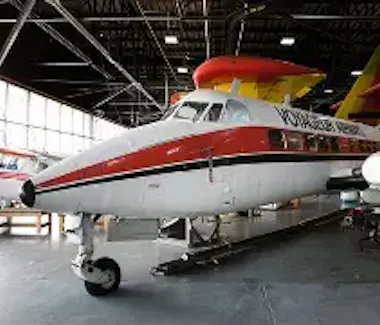
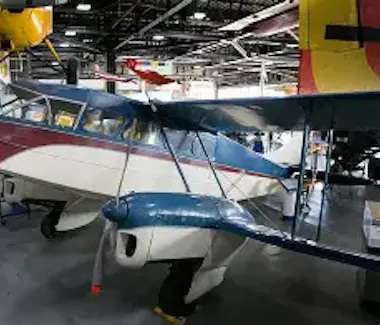
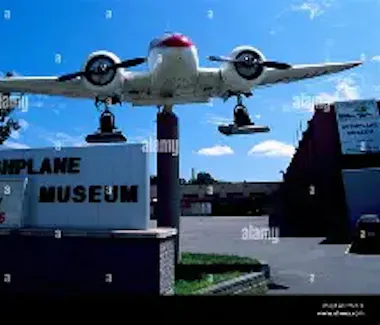
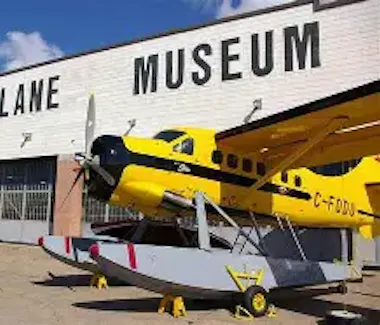
The Canadian Bushplane Heritage Centre is an aviation museum located in Sault Ste. Marie, Ontario, dedicated to preserving Canada’s bush flying and aerial firefighting history. It occupies the historic waterfront hangar once used for Ontario’s provincial air service and features aircraft displays, interactive exhibits, and educational programs celebrating Canada’s northern aviation legacy.
Key facts
Founded: 1989
Location: 50 Pim Street, Sault Ste. Marie, Ontario, Canada
Focus: Bush flying, water bombers, forest fire management
Collection size: Over 25 aircraft and aviation artifacts
Affiliated attraction: Entomica Insectarium
Origins and Mission
The museum was established by volunteers and aviation enthusiasts to honor the bush pilots and mechanics who opened Canada’s northern frontiers. Housed in a 1940s-era hangar used by the Ontario Ministry of Natural Resources, the Centre highlights the essential role of aircraft in forest protection, mail delivery, and remote community support.
Exhibits and Collection
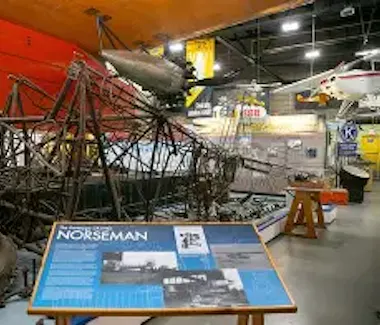
The collection includes classic Canadian aircraft such as the de Havilland Beaver, Otter, and Norseman, as well as water bombers like the Canadair CL-215. Exhibits combine restored planes, cockpit tours, and multimedia displays explaining aerial fire detection and suppression techniques used across Canada’s forests.
Visitor Experience
Visitors can explore interactive simulators, watch firefighting demonstrations, and learn about aviation innovations in Canada’s rugged north. The Centre’s waterfront location on the St. Marys River allows seasonal floatplane operations and offers a family-friendly mix of educational programming and local heritage interpretation.
Community and Education
Through school outreach, STEM workshops, and events like the annual Bushplane Days festival, the museum fosters public appreciation of aviation science and northern exploration. It operates as a charitable organization, supported by memberships, donations, and partnerships with local tourism and cultural agencies.





1 Canal Dr, Sault Ste. Marie ON P6A 6W4
Sault Ste. Marie Canal Canal in Ontario, Canada
Sault Ste. Marie Canal National Historic Site
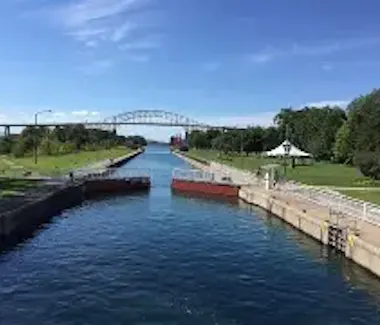
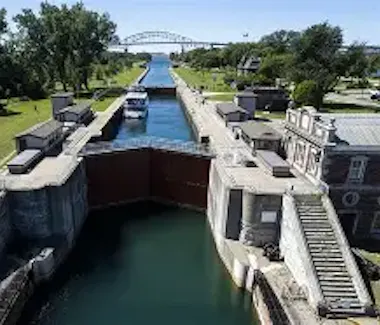
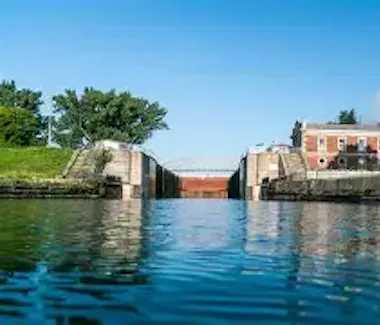
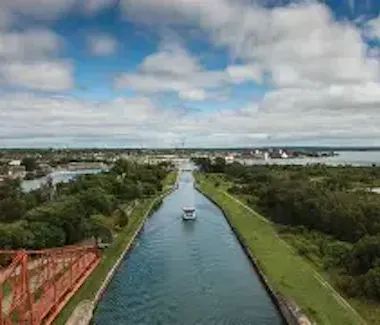
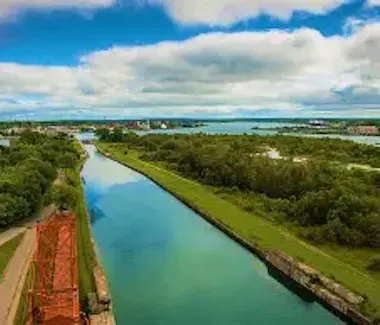
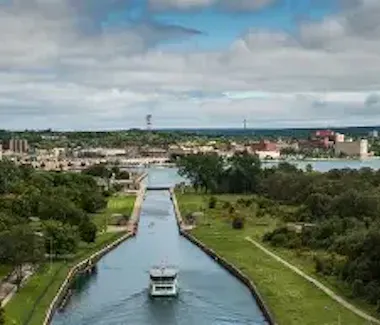
The Sault Ste. Marie Canal National Historic Site is a preserved 19th-century canal complex in Sault Ste. Marie, Ontario, Canada. Completed in 1895, it connected Lake Superior and Lake Huron through the St. Marys River, serving as a key navigation link in the Great Lakes system. Today, it is managed by Parks Canada as a cultural and recreational site.
Key facts
Location: Sault Ste. Marie, Ontario, Canada
Opened: 1895
Managed by: Parks Canada
Historic designation: 1987
Notable feature: World’s first electrically operated lock
History and Construction
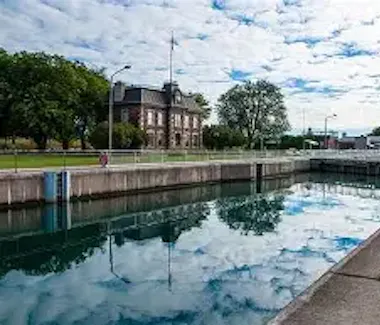
Built by the Government of Canada to bypass rapids on the St. Marys River, the canal was among the most advanced engineering projects of its time. Its electric lock—then the longest in the world—reflected Canada’s growing expertise in hydroelectric and mechanical innovation. The canal played a central role in Great Lakes shipping until superseded by newer locks.
Engineering Significance
The Sault Ste. Marie Canal pioneered the use of electrical power for lock operation and employed modern construction techniques such as concrete lining and steel gates. These innovations influenced later North American canal designs and demonstrated early Canadian leadership in hydroelectric engineering.
Heritage and Present Use
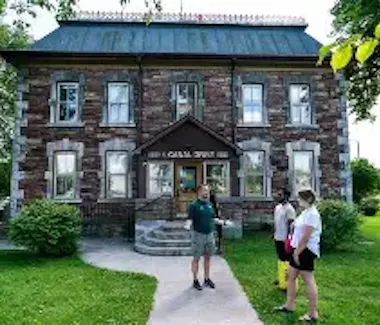
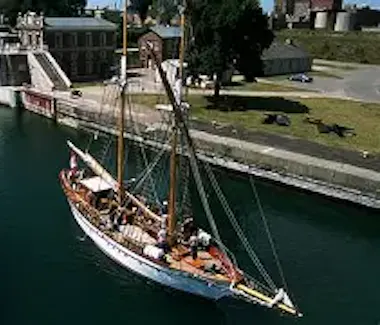
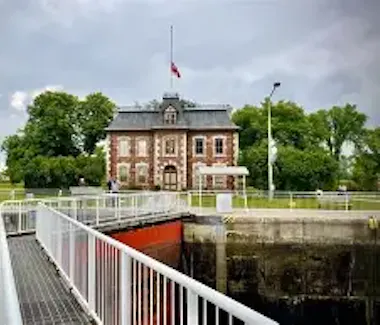
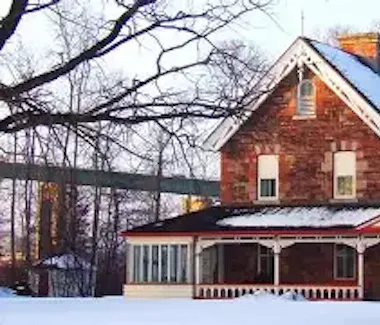
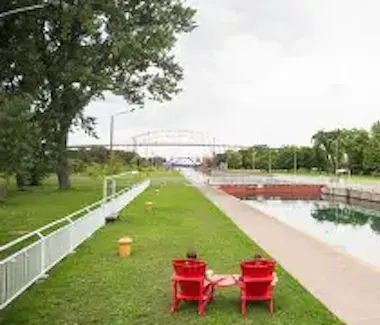
Decommissioned for commercial traffic in 1987, the canal now functions primarily as a heritage attraction and recreational waterway for smaller vessels. Visitors can tour the lock, interpretive center, and historic superintendent’s residence, and explore walking and cycling trails along the site’s grounds. It remains a key stop on the Great Lakes heritage tourism circuit.
Environmental and Cultural Setting
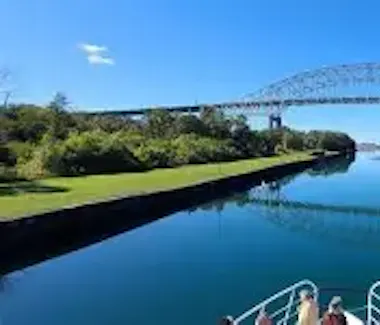
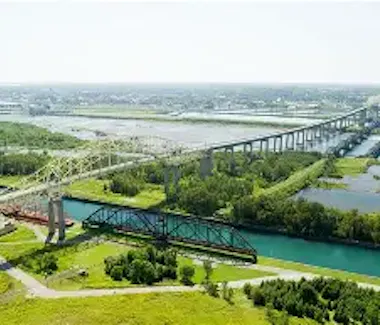
Situated beside the modern Soo Locks, the site offers panoramic views of the international border and the industrial waterways linking two Great Lakes. The surrounding area preserves both natural habitats and architectural remnants of Canada’s canal era, making it a living museum of engineering and regional history.





10 East St, Sault Ste. Marie, ON P6A 3C3, Canada
Art Gallery of Algoma
Art Gallery of Algoma
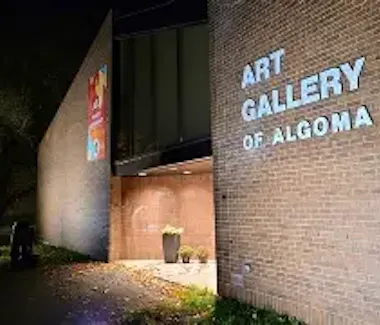
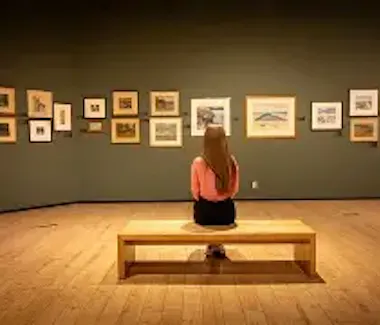
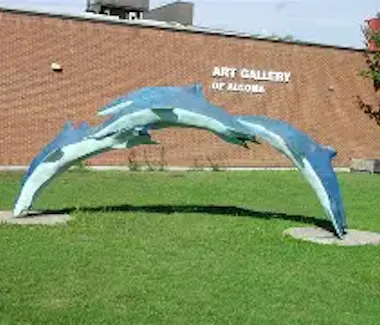
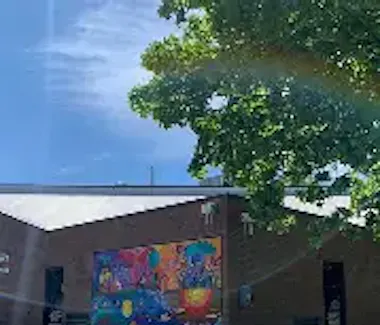
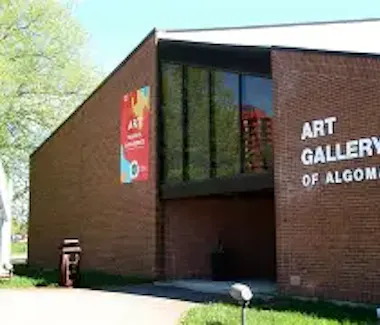
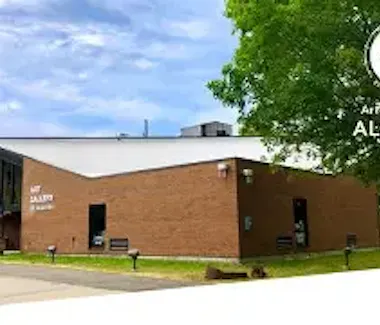
The Art Gallery of Algoma (AGA) is a public art museum in Sault Ste. Marie, Ontario, Canada. It serves as a regional center for visual arts, exhibiting contemporary and historical works with a focus on Northern Ontario artists. The gallery plays a key role in cultural life along the St. Marys River waterfront.
Key facts
Location: Sault Ste. Marie, Ontario, Canada
Established: 1975
Collection size: Over 5,000 works
Architect: R. F. Mitton
Affiliations: Canadian Museums Association, Ontario Association of Art Galleries
History and architecture
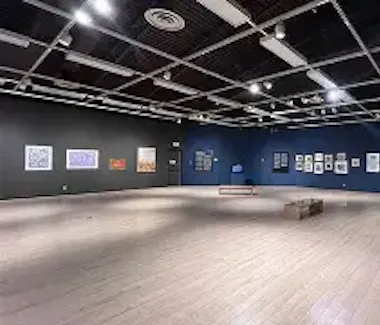
Designed by architect R. F. Mitton, the gallery opened in 1975 as a purpose-built cultural facility. Its modernist structure stands adjacent to the Civic Centre and features large windows overlooking the river, emphasizing harmony between art, community, and landscape. The AGA’s founding reflected a local movement to make visual arts accessible beyond major urban centers.
Collection and exhibitions
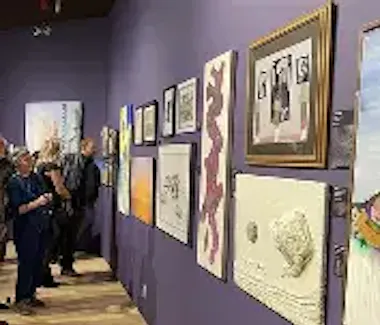
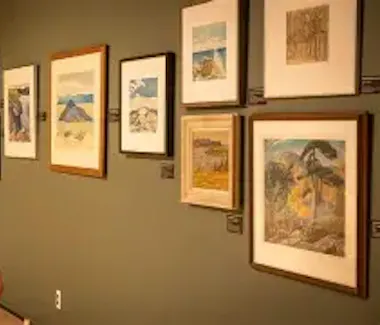
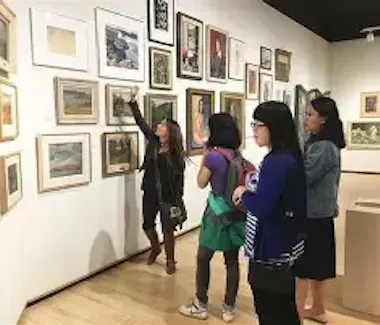
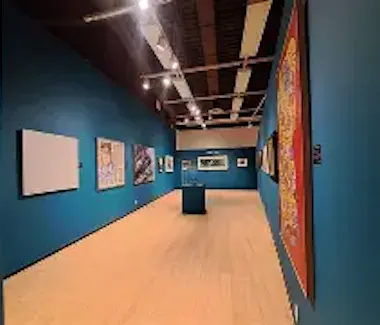
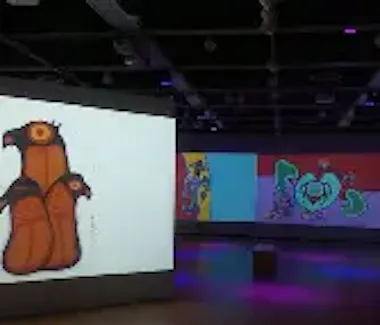
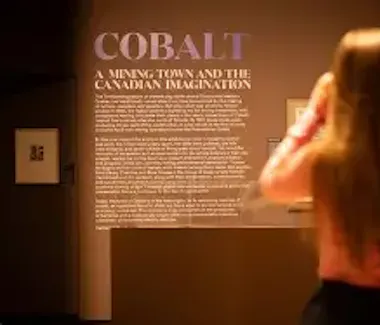
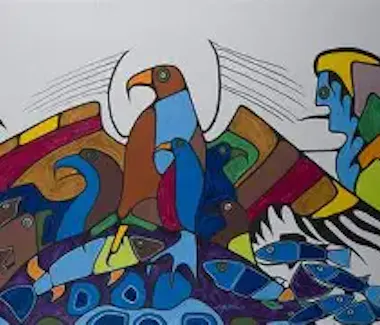
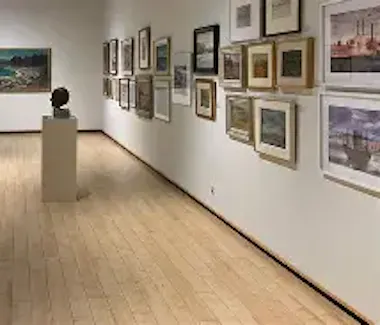
The permanent collection includes paintings, sculptures, photographs, and prints by regional, national, and international artists. Notable holdings include works by members of the Group of Seven and Indigenous artists from Northern Ontario. The AGA hosts rotating exhibitions, thematic shows, and traveling displays from other Canadian institutions.
Education and community programs
The gallery runs art classes, school programs, and workshops aimed at fostering creativity across age groups. Community outreach initiatives promote engagement with Indigenous culture, local heritage, and contemporary art practices. The AGA also collaborates with regional organizations and artists to support cultural development in Algoma District.
Role in the region
As one of Northern Ontario’s major art institutions, the Art Gallery of Algoma contributes to tourism, education, and creative economy. Its riverside setting and active exhibition schedule make it a focal point for artistic expression and cultural dialogue in Sault Ste. Marie.












50 Pim St, Sault Ste. Marie ON P6A 3G4
Entomica Insectarium
Entomica Insectarium
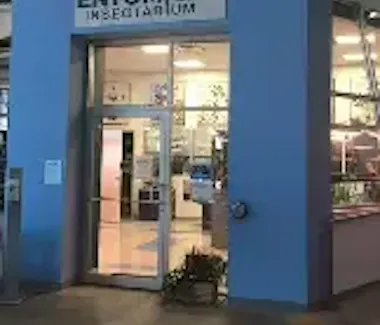
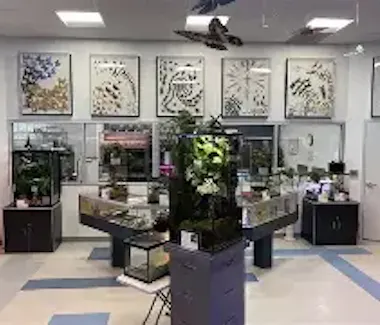
Entomica Insectarium is an interactive insect museum and science center located in Sault Ste. Marie, Canada. It introduces visitors to the world of insects and arthropods through live exhibits and hands-on learning experiences. The facility promotes science literacy and environmental awareness by highlighting the ecological importance of insects.
Key facts
Location: Sault Ste. Marie, Ontario, Canada
Type: Live insectarium and educational center
Established: 2014
Setting: Inside the Mill Market near the city’s waterfront
Focus: Live insects, interactive learning, environmental education
Exhibits and Programs
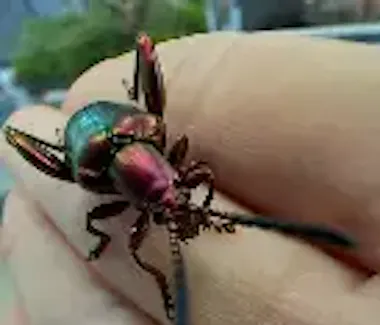
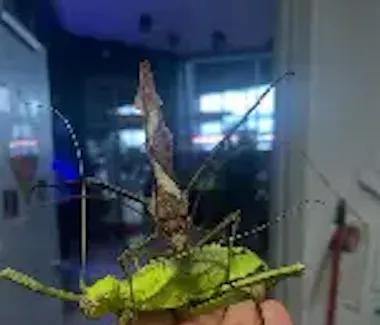
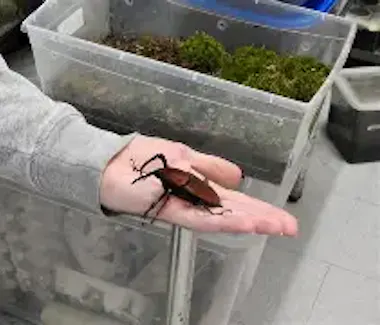
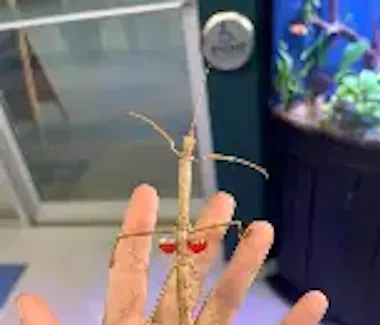
Entomica features a diverse collection of live insects and arthropods, including beetles, stick insects, mantises, arachnids, and butterflies. Exhibits emphasize tactile engagement—visitors can safely handle certain species under supervision. The center hosts educational programs, guided tours, and outreach activities for schools and community groups, blending biology education with public outreach.
Mission and Community Role
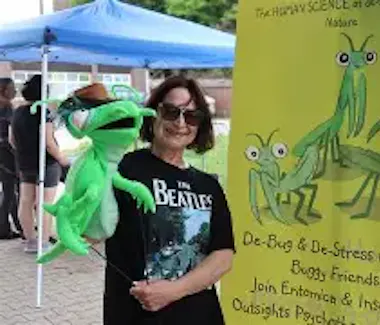
The insectarium’s mission is to inspire curiosity about entomology and biodiversity. It encourages stewardship of ecosystems by showing how insects sustain life through pollination, decomposition, and food-web connections. As a nonprofit organization, Entomica partners with local educational institutions and environmental organizations to promote science learning in Northern Ontario.
Location and Visitor Experience
Situated within Sault Ste. Marie’s Mill Market complex, the insectarium provides a family-friendly, accessible environment for all ages. Its proximity to downtown attractions and the waterfront makes it a popular stop for residents and tourists alike. Visitors often highlight the hands-on approach and knowledgeable staff as key parts of the experience.




65 Foster Drive, Sault Ste. Marie, ON, Canada
Roberta Bondar Park
Roberta Bondar Park
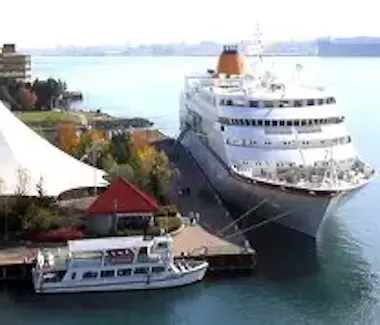
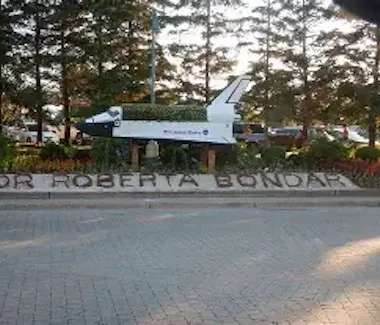
Roberta Bondar Park is a waterfront public park and event venue located in downtown Sault Ste. Marie, Ontario, Canada. It serves as a central gathering place along the St. Marys River, known for its scenic views, marina access, and cultural programming. The park honors Dr. Roberta Bondar, Canada’s first female astronaut and a native of Sault Ste. Marie.
Key facts
Location: Sault Ste. Marie, Ontario, Canada
Named for: Dr. Roberta Bondar, astronaut and neurologist
Opened: 1990s (dedicated following Bondar’s 1992 space mission)
Features: Pavilion, marina, amphitheater, waterfront trail access
Managed by: City of Sault Ste. Marie
Setting and design
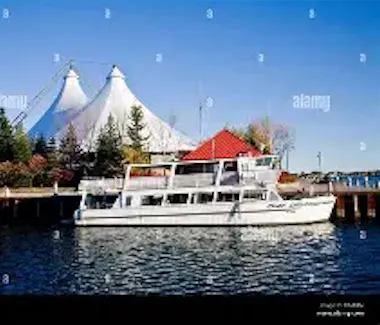
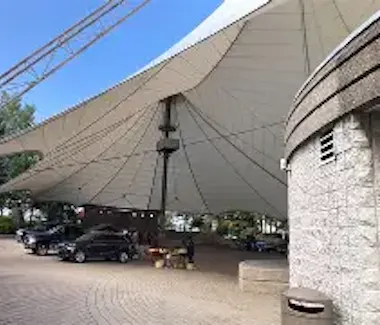
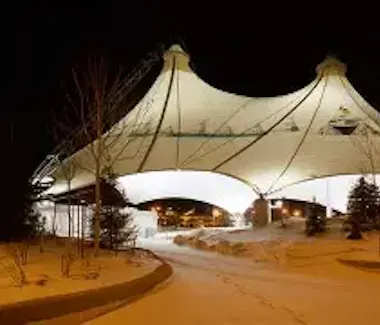
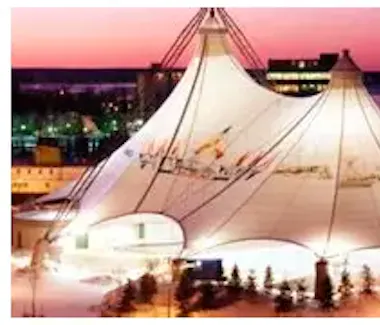
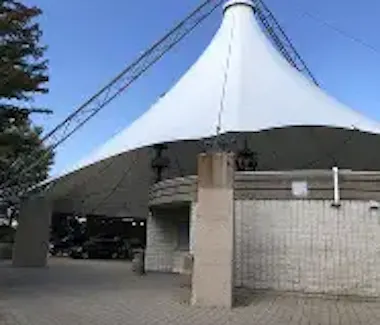
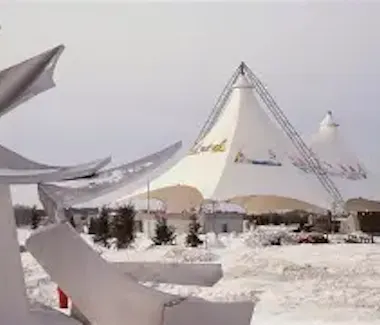
The park occupies a stretch of the city’s riverfront adjacent to the downtown core and the St. Marys River boardwalk. Its centerpiece, the Roberta Bondar Pavilion, is an open-air structure with a distinctive white tensile canopy that hosts concerts, festivals, and community markets. Landscaped paths, lawns, and marina docks connect the park to other waterfront attractions.
Role in community life
As a venue for summer festivals, farmers’ markets, and national celebrations such as Canada Day, the park functions as Sault Ste. Marie’s principal outdoor event space. Its location near hotels, restaurants, and the Art Gallery of Algoma makes it a key node in local tourism and recreation.
Legacy and significance
The park commemorates Dr. Roberta Bondar’s contributions to science and exploration, reflecting community pride in her achievements. It also symbolizes the city’s investment in revitalizing its industrial waterfront into accessible public space, blending natural beauty with civic culture.









30 Bay St, Sault Ste. Marie ON P6A 5S2
Casino Sault Ste. Marie
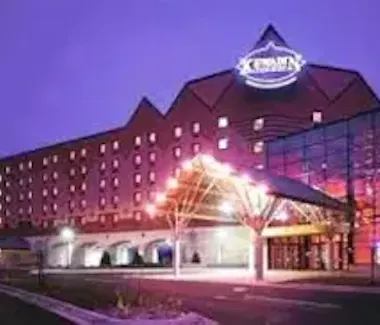
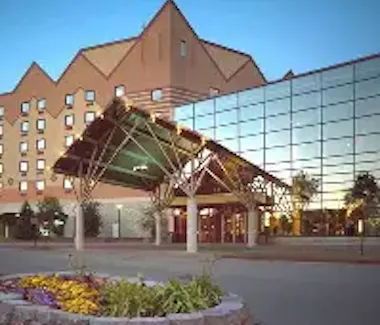
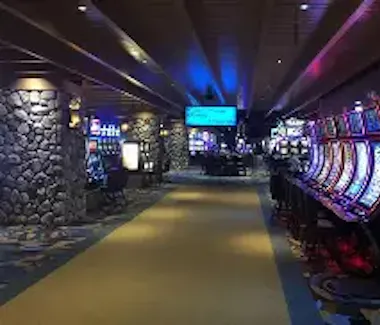
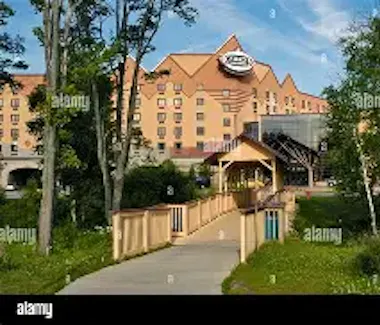
Casino Sault Ste. Marie is a government-owned gaming and entertainment facility located in Sault Ste. Marie, Ontario, Canada. Operated by Gateway Casinos & Entertainment on behalf of the Ontario Lottery and Gaming Corporation (OLG), it was the first OLG casino to open in the province. The venue remains a regional entertainment hub and tourist draw near the U.S.–Canada border.
Key facts
Opened: 1999
Operator: Gateway Casinos & Entertainment
Owner: Ontario Lottery and Gaming Corporation (OLG)
Location: Sault Ste. Marie, Ontario, Canada
Gaming space: About 35,000 square feet
History and development
Casino Sault Ste. Marie opened in May 1999 as part of Ontario’s initiative to expand regulated gaming for economic development in northern communities. Its launch helped revitalize the waterfront area and strengthen tourism ties with neighboring Sault Ste. Marie, Michigan. In 2018, operational management transferred from OLG to Gateway Casinos, though ownership remained public.
Facilities and gaming
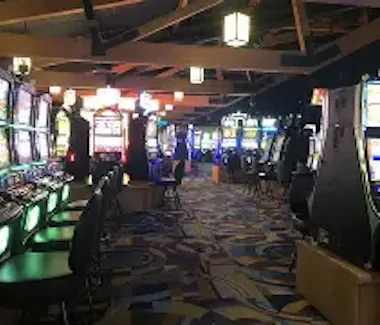
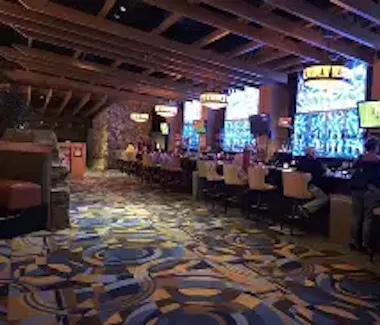
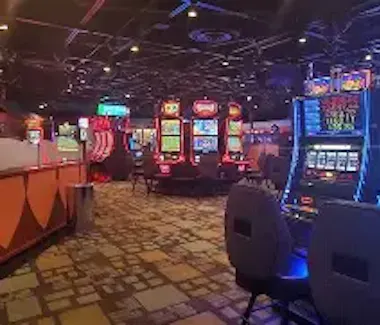
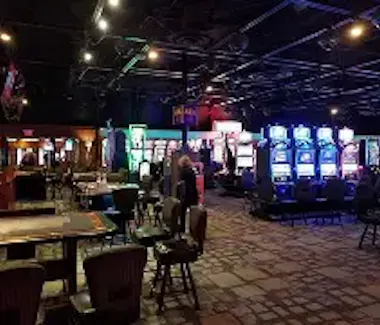
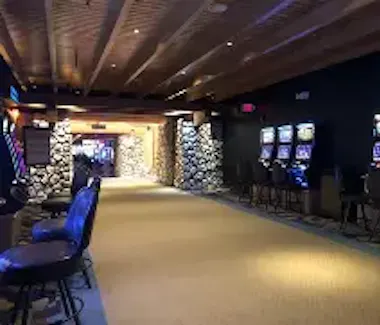
The casino features over 400 slot machines and several table games, including blackjack, roulette, and poker variations. It also houses a restaurant and lounge offering casual dining and live entertainment. The venue’s compact size and proximity to downtown make it a popular stop for both locals and cross-border visitors.
Economic and regional impact
Since opening, the casino has contributed to local employment and municipal revenues through OLG’s revenue-sharing programs. It also supports tourism in Algoma District by complementing other attractions such as Lake Superior’s natural parks and the Agawa Canyon Tour Train.
Current operations
Casino Sault Ste. Marie continues to operate under Gateway’s northern Ontario portfolio, alongside venues in Sudbury, Thunder Bay, and North Bay. It maintains responsible gaming programs and collaborates with community initiatives to promote safe entertainment and regional growth.